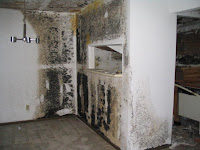
Toxic Black Mold


Black mold is a fungus grown in warm areas, where the percentage of humidity is higher than the average level. Classified under the genus Strachybotrys , it is found in different colors, other than black. The ideal growing place for toxic black mold is the basement, bathroom, leaky roofs, water pipes and walls of old houses. Prolonged exposure to this fungus can lead to several health conditions, based on the intensity of exposure, mold species and general health of the person.

Information on Toxic Black Mold

Black mold problems are common in old homes and houses with leakage problems. Hence, those residing in any of such conditions should consider testing for presence of molds and mildews. Failure to detect in the early stages cause spreading of this dreadful fungus to other areas in the house, which in turn will cause poisoning symptoms to the residents. Various aspects concerning toxic black mold problems are highlighted below:

Toxic Black Mold Health Effects

The toxic black mold health risks are many, ranging from mild treatable conditions to chronic medical complications. According to health experts, molds and their spores are the leading causes of allergies in humans. Other health effects are invasive diseases and mycotoxicosis. When exposed to high concentration of volatile organic compounds (VOCs) released by molds, a person may exhibit a wide range of irritation responses.

Toxic Black Mold Exposure

Speaking about toxic black mold exposure, the main routes for getting exposed to black mold are direct skin contact, inhalation of spores and ingestion of the same, when they come in contact with edible food items. Toxic black mold exposure symptoms in humans are skin conditions, headache, anxiety, hair loss, mental problems, respiratory disorders, numbness and body ache among others.

Toxic Black Mold Symptoms

The symptoms of black mold poisoning are so many that they are grouped together as a syndrome. Also, the severity of the manifested signs depend on the sensitivity of the individual towards the fungus. Like for example; young children, sick people and those who have respiratory diseases will react more seriously than healthy adults. Accordingly, the severity of toxic black mold syndrome may vary from one person to another.

Toxic Black Mold Testing

Nowadays, mold testing kits and black mold treatment products are sold in the home supply centers. In case of any suspected signs, a homeowner is suggested to perform toxic mold testing procedures as soon as possible. The test may involve visual identification or analyzing air samples. It is also crucial to perform mold spores test, while buying a new house or shifting to a new home, especially if it is an old building.

Toxic Black Mold Removal

Gather information on mold removal and you will come across many methods, including home remedies and usage of chemical products. Mild cases can be dealt with do-it-yourself instructions; while heavy mold infestation requires hiring professional services. Using an air purifier, installing a dehumidifier, regular fumigation and keeping the house warm are effective approaches to control growth of mold in the house.

In the medical data, the occurrence rate of toxic black mold poisoning is very high. And toxic black mold removal is the sole remedy to prevent probable health conditions. Failure to do so will cause prolonged exposure to molds and ultimately, risking to severe diseases. Also, every responsible homeowner should make a point to check for presence of mold on a regular basis. Professional mold testing may cost about USD 300. But, hiring a professional service is worth the cost, rather than getting exposed to black mold and risking oneself to the associated health problems.

Bookmark and Share

Best Colored Contacts for Astigmatism


Astigmatism is an eye problem which is associated with the shape, size and vision power of the cornea. This eye problem causes change in the cornea shape, which looks somewhat like a football. Due to this very shape, there are two light reflecting point on the cornea that lead to blurred vision. Astigmatism is gets mostly unnoticed for a long period of time since, the degree of blurred vision varies extensively. The patients of astigmatism who don't want to use the glasses, can opt for vision correction contact lenses. However, they must wear special vision correction contact lenses, since the soft contact lenses are not suitable for their eye problem. So, do they make colored contacts for astigmatism? Well, they do but you need to be very careful while selecting the best colored contacts for astigmatism as well.

Best Contacts for Astigmatism

Well, until recent times it was believed that vision correction with contact lenses is not possible for the patients of astigmatism, which is now totally wrong. Astigmatism can be corrected with special toric contact lenses that are specially developed for such eye problems and are easily available at the opticians as well. These contact lenses for astigmatism are developed with additional light blending properties that direct the light towards retina and provide a better vision. You can also buy special colored contact lenses for astigmatism patients.

Similar to regular contact lenses, toric contact lenses for astigmatism are also available in both (RGP) rigid gas permeable and soft lens forms. The RGP lenses are not as rigid as the traditional ones and they are largely selected on that basis as well. In addition to this fact, the RGP lenses are also more durable and easy to clean than the soft toric lenses for astigmatism. Well, there are a few things more that you need to understand while selecting the best colored contacts for astigmatism.

Best Colored Contacts for Astigmatism

People with astigmatism can get bifocal, multifocal and disposable contact lenses. However, one should never opt for the non prescription colored contacts for astigmatism, since their might be some major issues involved with their ability to correct vision. It also means that you shouldn't buy the Plano contact lenses for astigmatism. Plano lenses cannot correct vision but they only enhance the beauty of the eyes. However, you can choose colored contacts for astigmatism from the following three types.

  • Visibility Tint: These are the best colored contacts for astigmatism, especially for the people who wish to have only slightest change in their original eye color. These lenses are also chosen for the fact that they are easy to put and remove from the eyes most favorite tints are the light green and light blue. You must avoid buying colored contacts without prescription though.
  • Enhancement Tint: If you check the popular toric contact lenses reviews, you will come to know that most of the astigmatism patients opt for these kind of colored contact lenses. The enhancement tints come with solid color shades and they are translucent at the same time. These are dark colored contacts that are suitable for the people with light eye colors.
  • Popular Tint: There is no dearth of crazy colored contact lenses for astigmatism. No wonder they are widely selected as well. These contact lenses are chosen for special occasions like a costume party, freshers party or Halloween since they offer you a solid color alteration. Some of the most popular of them are hazel, green, honey, blue, grey, amethyst, brown, violet and purple contacts for astigmatism.
Well, now that you are well aware about the best colored contacts for astigmatism, also get acquainted with the techniques of cleaning contact lenses. This way you make them more durable and also avoid eye infections that might result with the depositions.

Bookmark and Share